

Most professionals wait way too long to update their headshot—usually because they feel like they “still look the same.” In reality, your headshot is your first impression on LinkedIn, your company website, speaker bios, conference materials, and press features. If the photo does not look like you right now, it will work against you. Here’s the simple guideline for how often to update your professional headshot, plus a view to an instance when you should do it sooner.
THE SIMPLE RULE: UPDATE EVERY 2–3 YEARS
A good rule of thumb for most working professionals is that their professional headshot should be updated every 2–3 years. It’s an easy way to stay current while keeping the process easy and stress free.
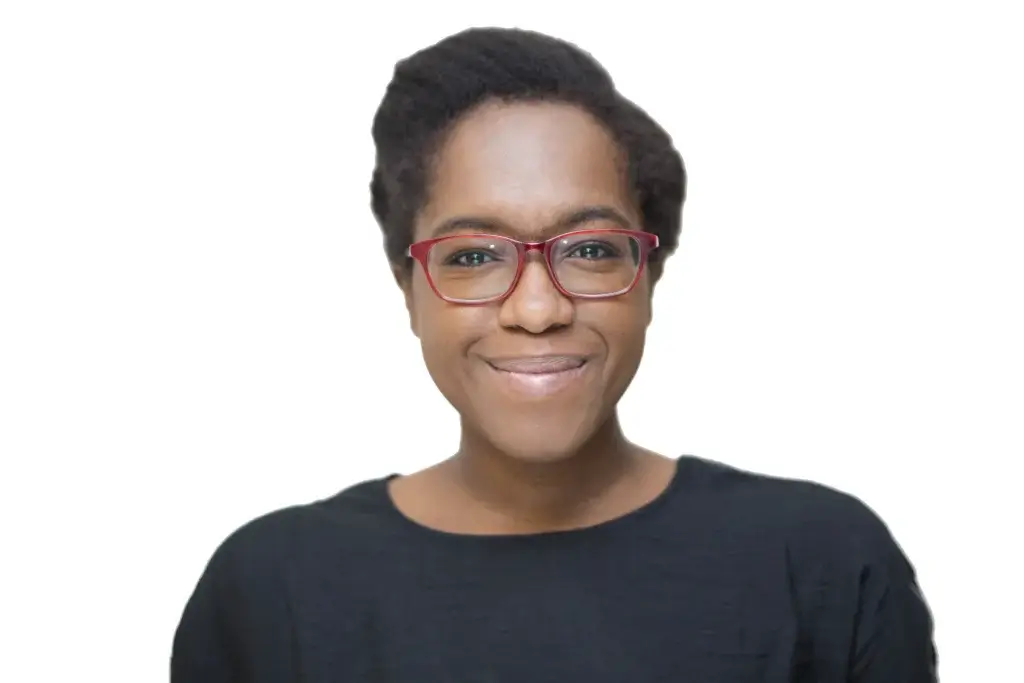
CONSIDER UPDATING SOONER IF ANY OF THESE ARE TRUE
You don’t have to wait 2–3 years if your life (or your look) has shifted. It’s smart to update your headshot sooner if you’ve had any of the following changes:
- A new role, promotion, or leadership position
- A career change, industry shift, or job search
- A business launch or rebrand
- You’re becoming more public-facing (speaking, panels, press, podcasts)
- A noticeable change in appearance (hair, glasses, beard, weight change, style change)
- Your current headshot is starting to feel “not like you” anymore
Even subtle changes add up. Five years can pass quickly, but your headshot can start feeling outdated long before you realize it.
WHY “EVERY 5 YEARS” IS USUALLY TOO LONG
You’ve probably seen it: someone’s still using a photo from 10 years ago, and every time you see it you think, That’s not you. An outdated headshot can create an uncomfortable encounter when someone meets you in person and doesn’t recognize you right away, or even worse, it can quietly signal that you’re not current or active, even if you are.
Your headshot isn’t just a photo. It’s your visual credibility. When it’s current, you look polished, confident, and relevant. When it’s old, it can work against you in ways people don’t say out loud.
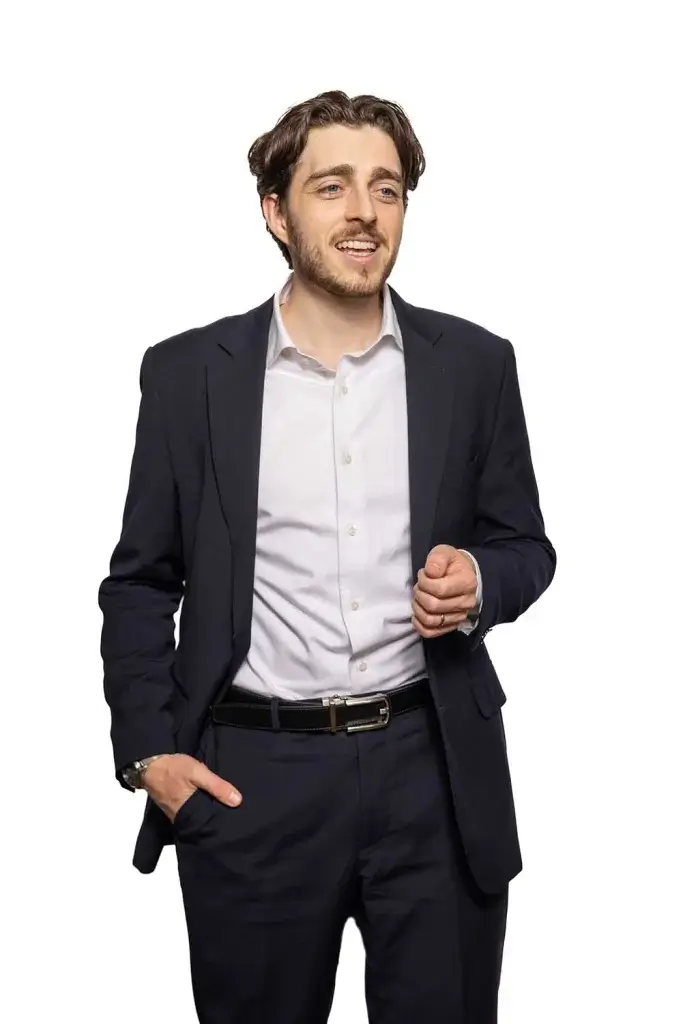
BOSTON-SPECIFIC REALITY: PEOPLE MOVE FAST HERE
In a city like Boston—where careers move quickly and networks overlap—your photo matters more than most people want to admit. Whether you’re in:
- biotech and healthcare
- higher education
- finance
- law
- real estate
- technology and startups
- consulting and corporate leadership
…you’re being looked up online. A current professional headshot helps you look ready for the room you’re walking into.
WHAT “MODERN” HEADSHOTS LOOK LIKE TODAY
Headshots have changed a lot. Years ago, most people asked for the same look: a posed headshot on a dark gray studio background. That still has its place—but today, many Boston area professionals want something more modern and natural.
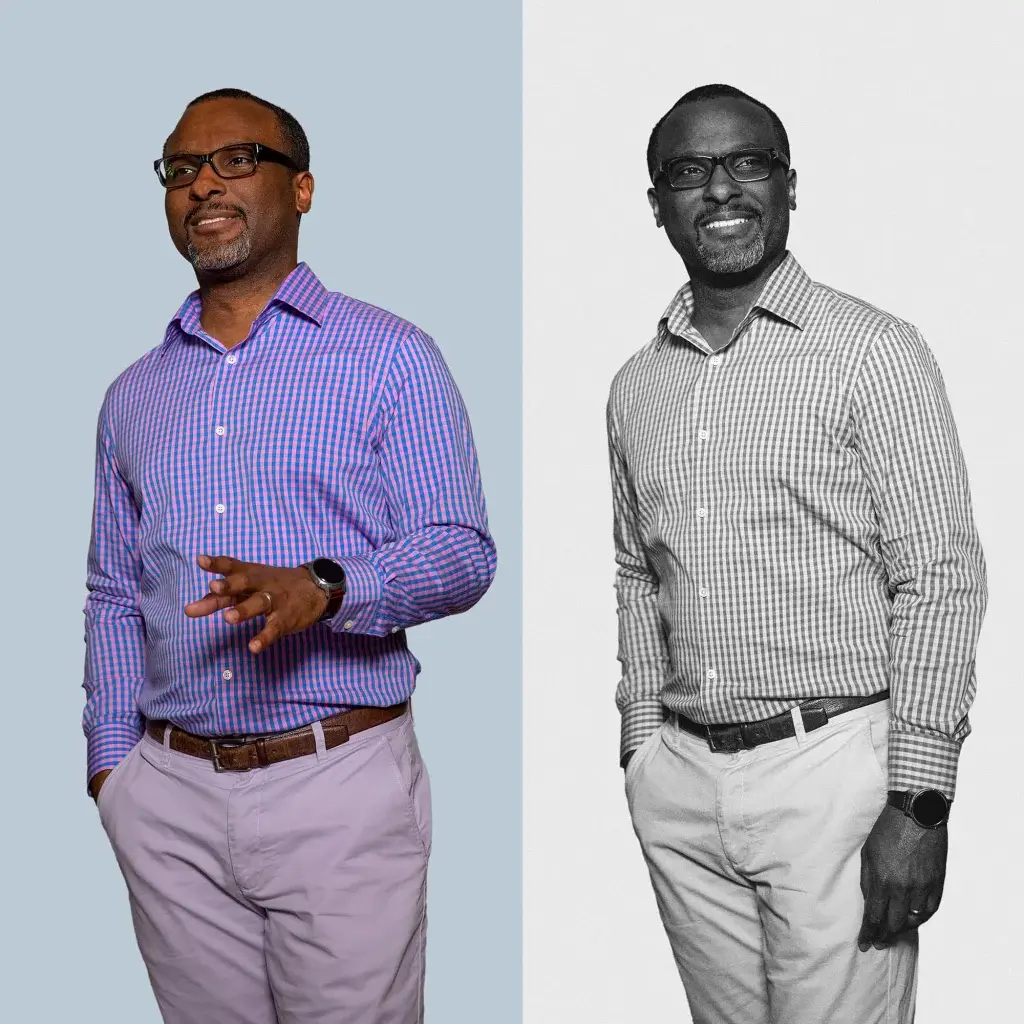
Common requests include:
- A classic studio headshot (clean, consistent, timeless)
- An office or work-environment headshot (more context, more credibility)
- A more relaxed, modern headshot outdoors or in an urban setting (still professional, just less formal)
- Subtle retouching that keeps you looking like yourself (not overly edited)
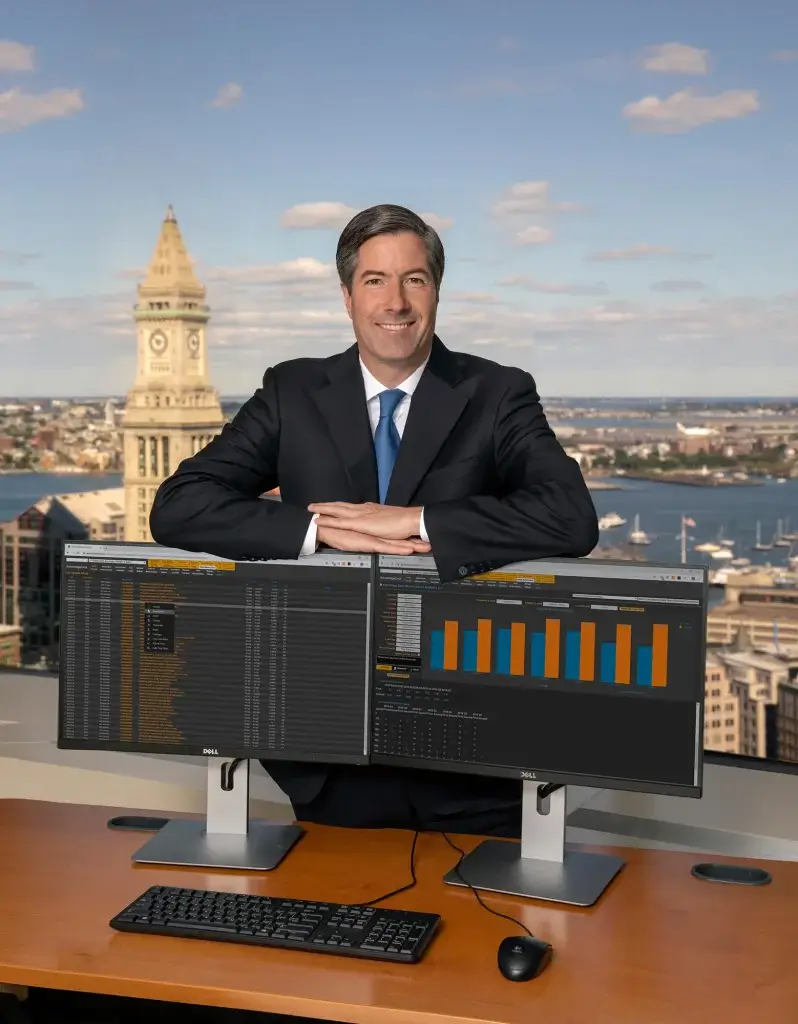
QUICK REALITY CHECK: DOES YOUR HEADSHOT STILL WORK?
If you’re not sure whether yours is “too old,” here are a few easy signs it’s time:
- You wouldn’t pick your current headshot if you were choosing today
- Your hairstyle/eyewear/facial hair is different now
- You’ve moved up a level professionally since the photo was taken
- Your current photo looks noticeably “dated” compared to other profiles you see in your industry
- Someone who hasn’t met you in years wouldn’t recognize you right away
READY FOR AN UPDATE? KEEP IT SIMPLE
Updating your headshot doesn’t have to be complicated. Whether you want a classic studio look or prefer an office or environmental headshot, the goal is the same: look like you—current, confident, and professional.
If you’re in Boston, Cambridge, or the surrounding Massachusetts area, we offer both studio headshots and on-location sessions at offices across Greater Boston. Ready to book? Email us at [email protected] or use the contact form on our website to schedule your professional headshot session.